PETs: Keeping Health Data Private Within an Evolving Digital Infrastructure

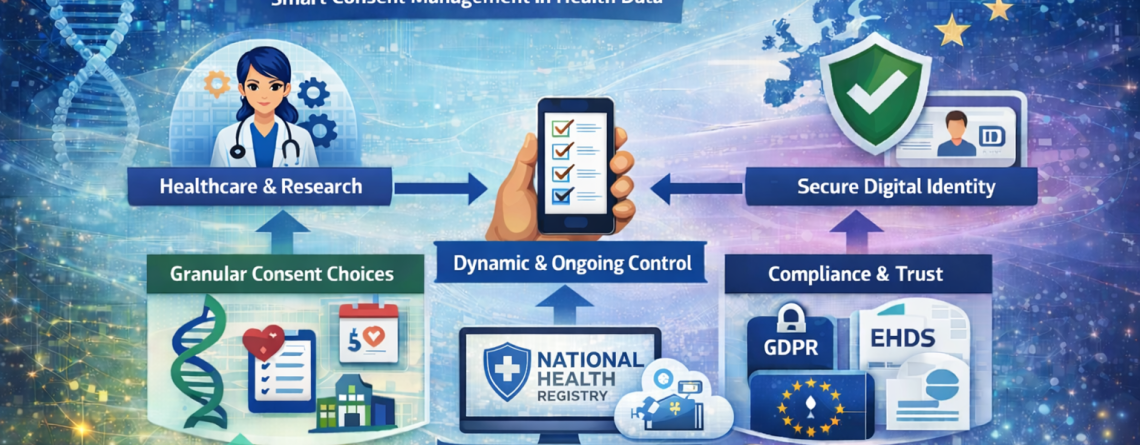
As healthcare becomes increasingly digital, sharing health information between institutions can unlock important benefits, such as more coordinated services to better analysis, planning and research. At the same time, health records contain some of the most sensitive personal information. The challenge is therefore not simply...

What Really Happens After You Click “I Agree”? Rethinking Digital Consent

In an era where mobile applications routinely collect vast amounts of personal data, understanding what an app collects — and whether that collection respects user consent — has become a challenge for both individuals and regulatory bodies. The Consentis framework aims to address this challenge...

Empowering Privacy Audits: The Data Inspection Module in Consentis

In an era where mobile applications routinely collect vast amounts of personal data, understanding what an app collects — and whether that collection respects user consent — has become a challenge for both individuals and regulatory bodies. The Consentis framework aims to address this challenge...

Designing Consent for the Real World: Inside the CONSENTIS Schema

In today’s digital systems, consent has grown far beyond a simple checkbox. It must function as a verifiable, auditable, and machine-readable agreement that works across many technologies and regulatory contexts. Within the CONSENTIS framework, this challenge inspired a focused objective: to design a machine-readable format...

Identity Discovery: Connecting Digital Identities Without Losing Control

In the insurance industry, transparency and user consent are no longer optional—they are essential. For life insurance providers, accessing accurate health data can support better risk assessment, faster policy approvals, and more personalized coverage. But this must be balanced with the user's right to control...
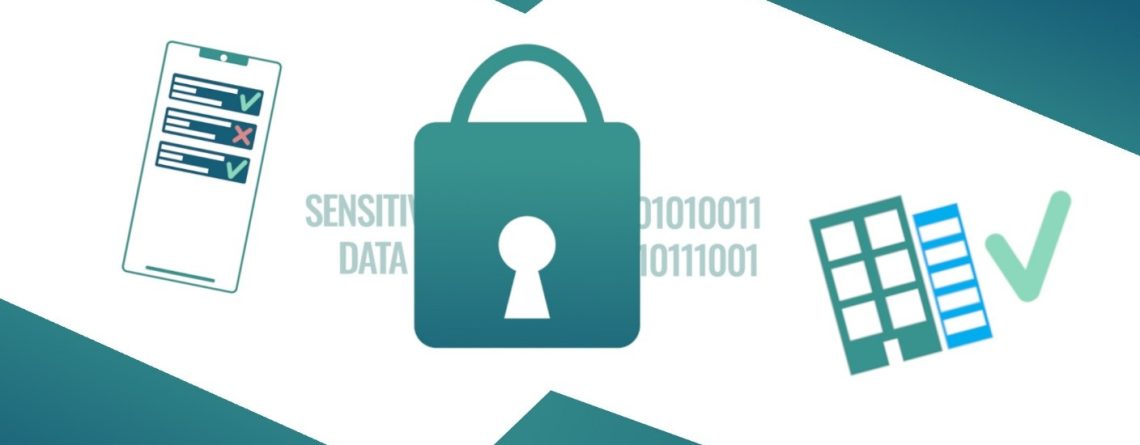
Consent Management: Why It Matters More Than Ever

In the insurance industry, transparency and user consent are no longer optional—they are essential. For life insurance providers, accessing accurate health data can support better risk assessment, faster policy approvals, and more personalized coverage. But this must be balanced with the user's right to control...
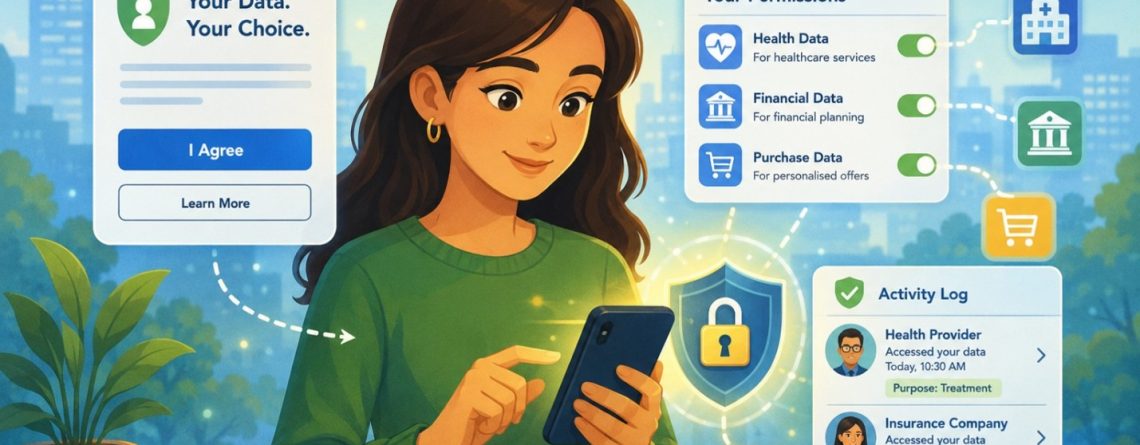
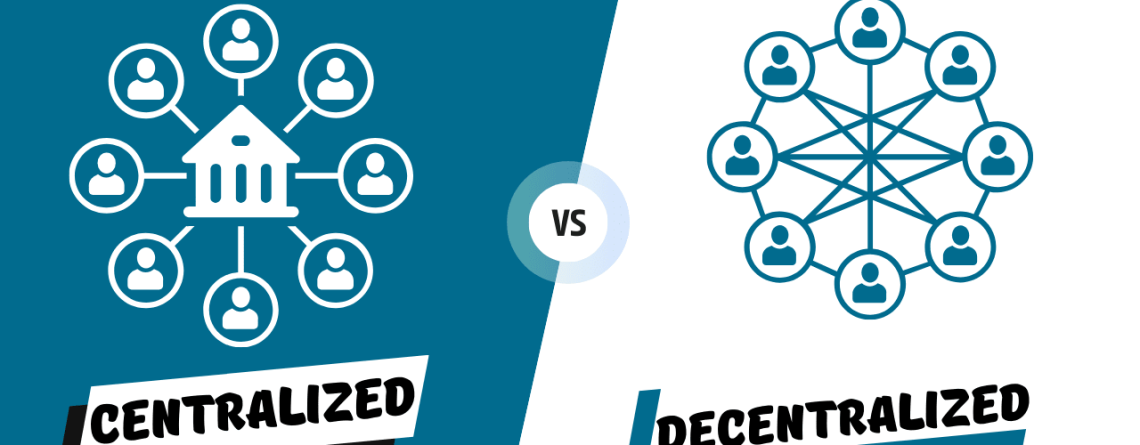
Who Controls Your Identity? The Battle Between Centralised and Decentralised Models

In the insurance industry, transparency and user consent are no longer optional—they are essential. For life insurance providers, accessing accurate health data can support better risk assessment, faster policy approvals, and more personalized coverage. But this must be balanced with the user's right to control...